
Resilience Amidst Adversity
Empowering Widow-Led Households in Kenya | Resilience Amidst Adversity
December 22, 2025
by GO! Team
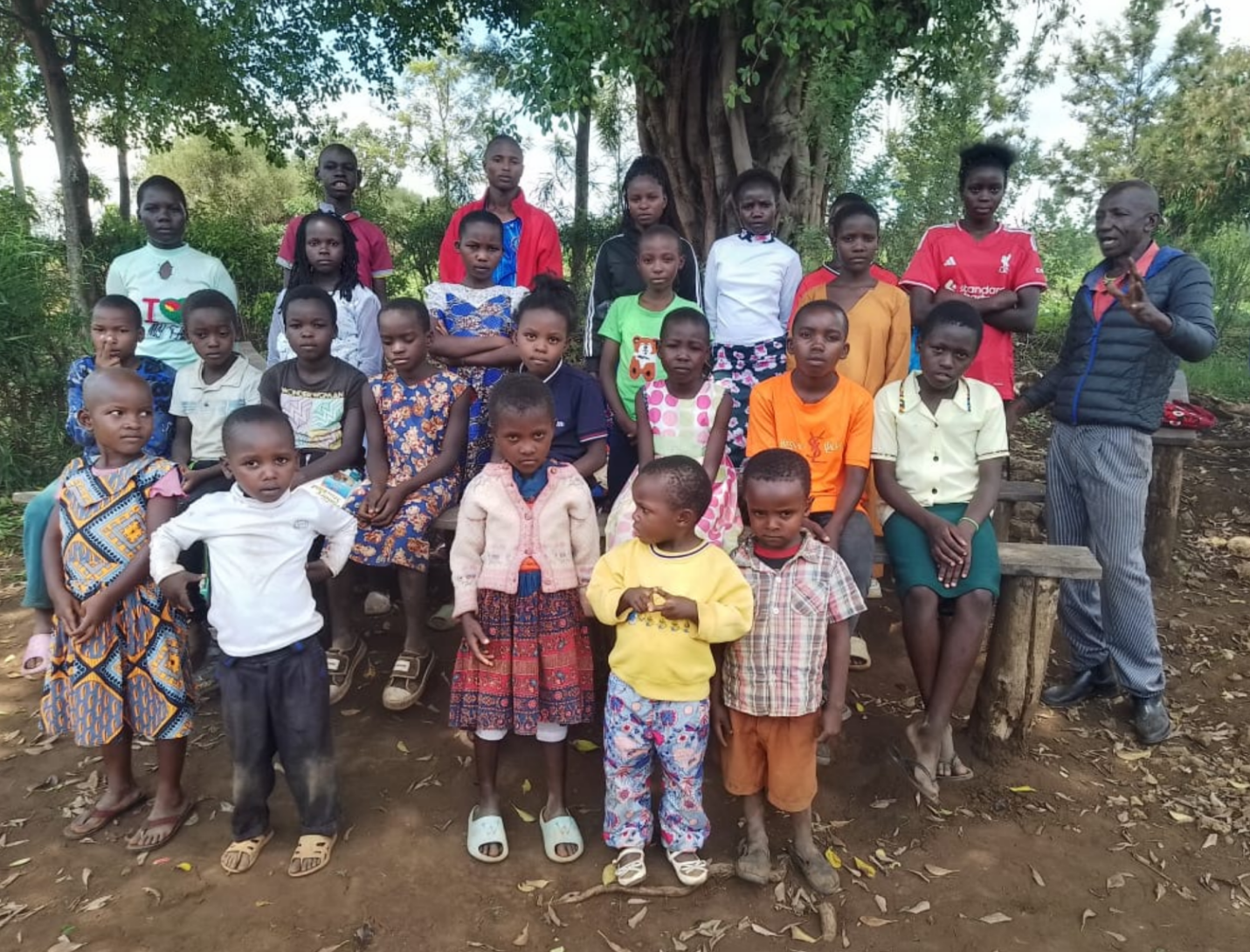
Pastor Stanley with Meru Children
In the heart of Kenya's rural landscapes, widow-led households stand as pillars of strength, often shouldering the immense responsibility of caring for orphaned children in the face of poverty, discrimination, and systemic barriers. These families, particularly in regions like Meru and Homa Bay, navigate daily struggles that highlight broader societal issues affecting millions. With estimates suggesting between 1.4 and 8 million widows across the country—potentially comprising nearly 15% of the population—these women are frequently overlooked in national statistics, rendering them "invisible" in policy and support systems. This blog post delves into the background of widow-led households in Kenya, the unique challenges they face, and spotlights a specific group of 28 households caring for 50 orphaned children in Meru and Homa Bay.
## The Broader Context: Widowhood in Kenya
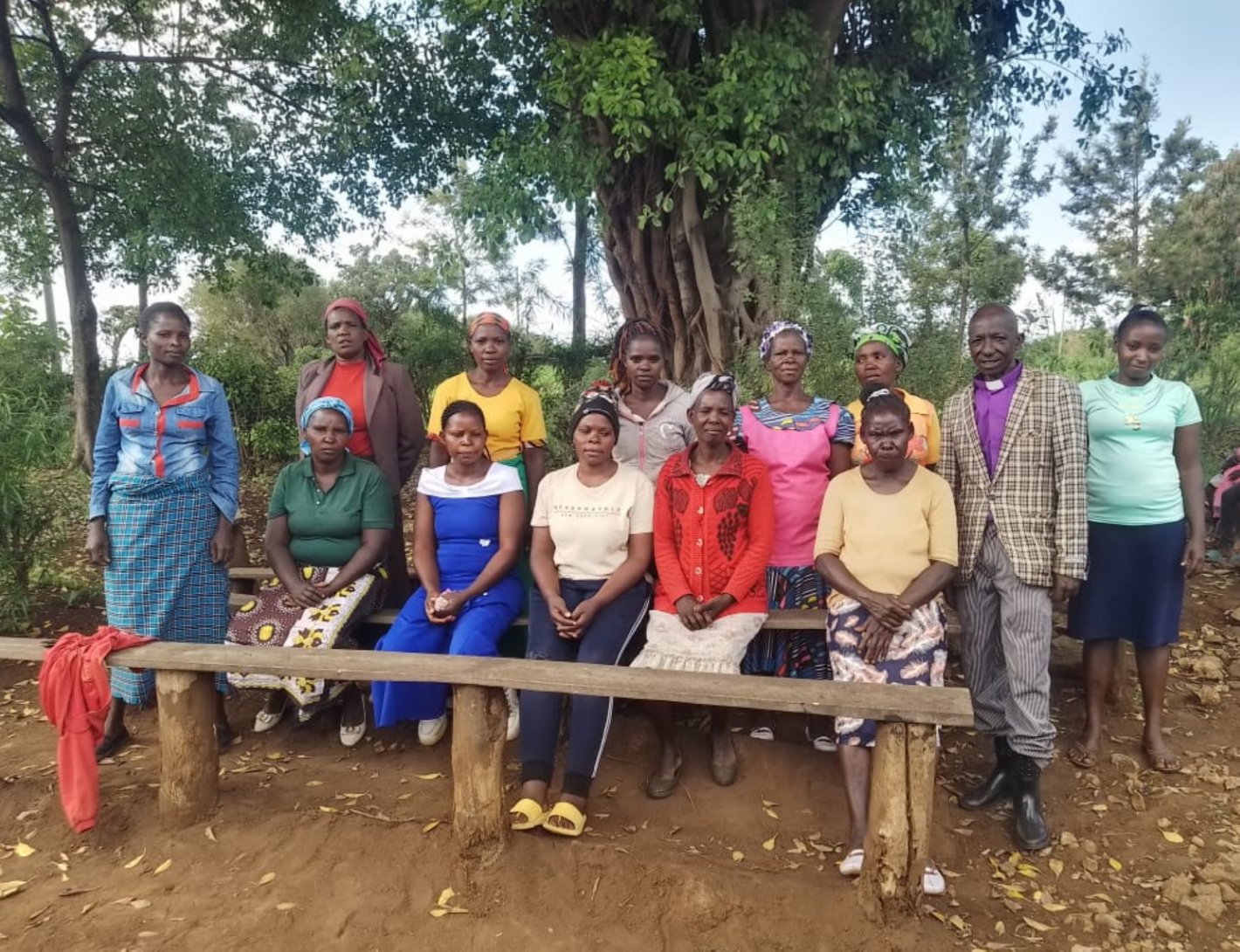
Pastor Stanley with the supported widows.
Widowhood in Kenya is not just a personal loss but a gateway to multifaceted hardships. Globally, one in seven widows lives in extreme poverty, and in Kenya, this reality is amplified by patriarchal norms, harmful cultural practices, and inadequate legal protections. According to the Kenya National Bureau of Statistics, 35.3% of households led by women fall below the poverty line, compared to 32.6% for those led by men. Rural widows, in particular, grapple with social isolation, economic exclusion, and the denial of inheritance rights, often exacerbated by colonial-era laws and biased customs.
For orphaned children in these households—classified as Orphans and Vulnerable Children (OVC)—the challenges are even more acute. Studies show that over 90% of OVC caregivers, many of whom are widows, experience extreme pressure from financial strains like school fees, food shortages, medical care, and clothing needs. In sub-Saharan Africa, including Kenya, discrimination and neglect compound these issues, leaving families in cycles of poverty. High HIV prevalence in certain areas further increases the number of widows and orphans, creating a dire need for targeted support. (References: Journal of Culture and Values in Education & Science Direct)
## Regional Spotlights: Meru and Homa Bay
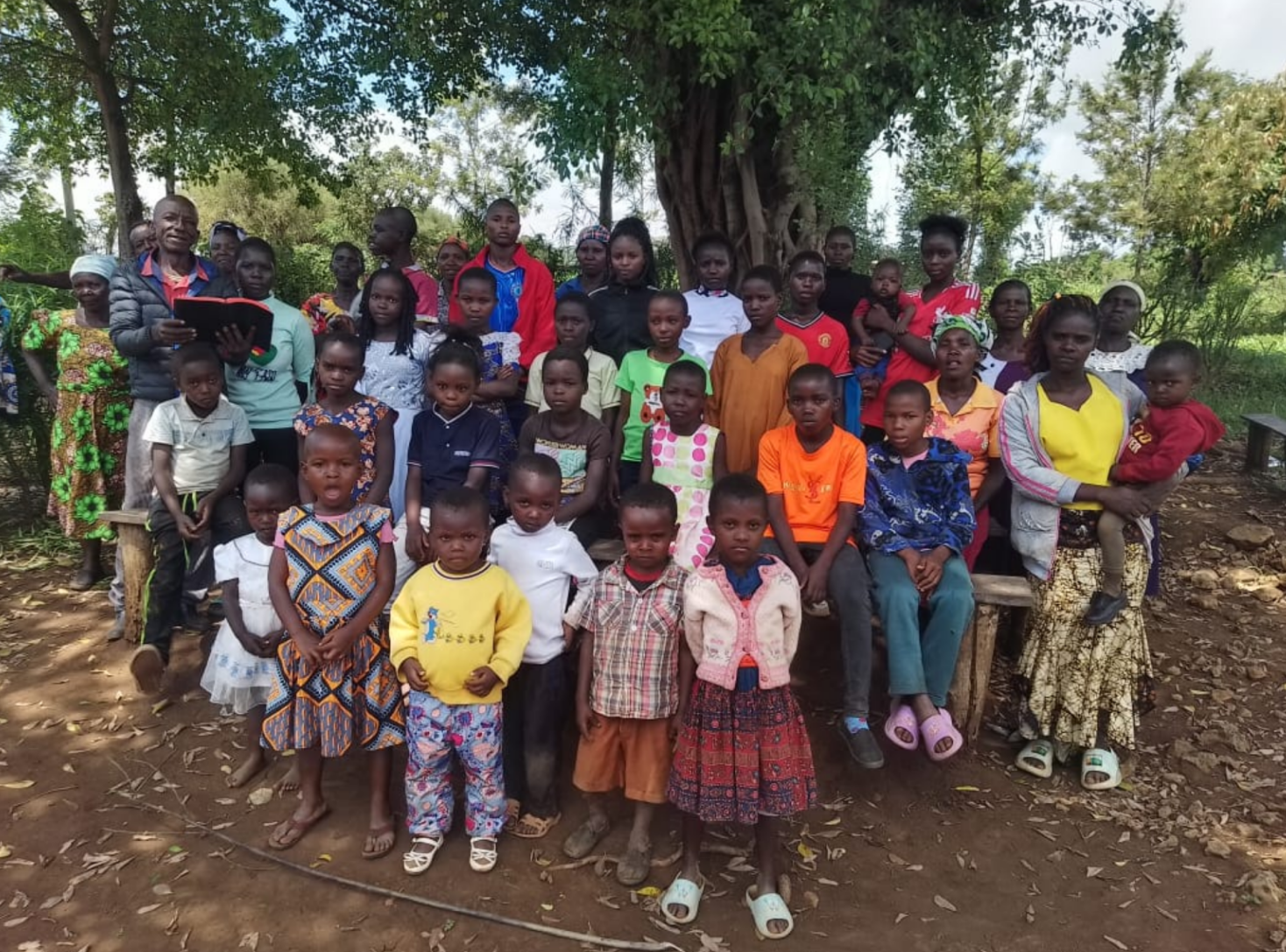
Meru Families Group photo: Widows and the children
In Meru County, located in eastern Kenya, widows often battle entrenched customs that deny them family wealth and property. Thousands face ruthless in-laws and corrupt officials, leading to disinheritance and homelessness. Self-esteem erosion is a common social effect, as widows cope with the loss of partners while advancing careers to support their families. Initiatives like paralegal programs have empowered groups of widows—such as the 75 who recently graduated—to advocate for their rights. Orphan support through organizations like the United Methodist Church in Meru has an established ministry referred to as "United Methodist Care Centers,” where 31 churches have become the centers of support for orphans, widows, and the poor.
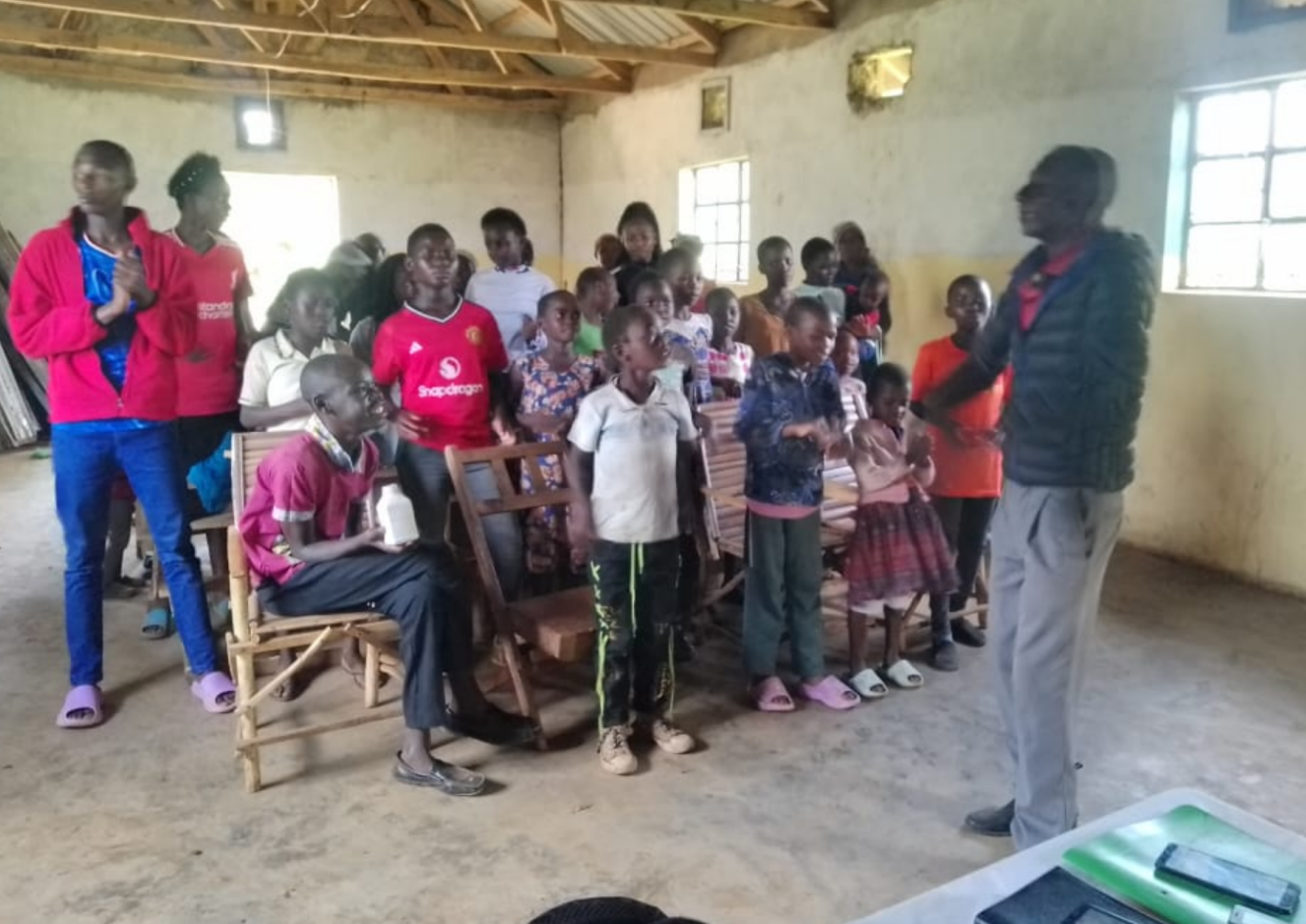
Pastor Stanley teaching the children Word of God.
Meanwhile, in Homa Bay County on the shores of Lake Victoria, the challenges are intertwined with high HIV rates, land ownership disputes, and limited income opportunities. Widows here warn against selecting unreliable "inheritors"—a cultural practice that can lead to further exploitation. Stories of resilience abound, such as a widow transforming one acre into a sustainable farm despite financial constraints, or community efforts gifting homes to struggling mothers of orphans. Our own Momma Florance thrives in her own fish business that we have assisted with, that supports seven of her own children. These regions exemplify how local factors like energy access and alternative justice systems play crucial roles in alleviating widow-led household burdens.
## A Case in Point: 28 Households, 50 Orphans
Amid these widespread issues, a poignant example emerges from Meru and Homa Bay: 28 Widow-Led Households collectively caring for 50 orphaned children. These families represent the everyday heroes of Kenya's rural communities, where widows step up as primary caregivers despite overwhelming odds. The children, often victims of parental loss due to illness or poverty, rely on these households for basic needs like education, nutrition, and emotional support. This scenario underscores the urgent need for enhanced orphan support programs, as caregivers face immense pressure to provide amid resource scarcity. Community-driven initiatives, such as those focusing on property rights and economic empowerment, could transform lives here, mirroring successes in paralegal training and farming resilience seen in these areas.
## Moving Forward: A Call for Action
The stories of widow-led households in Kenya, especially those in Meru and Homa Bay, nurturing orphaned children, remind us that dignity, security, and opportunity should be accessible to all. To address these challenges, stronger policies on inheritance, better data collection on widows, and community support for OVC are essential. Organizations and individuals can contribute through advocacy, donations, or volunteering to uplift these resilient families. By shining a light on their plight, we pave the way for a more hopeful future.
Global Orphan Relief (GO) has been serving orphaned children since 2005. We have served in the Democratic Republic of Congo (DRC), Ethiopia, India, Kenya, Mexico, Myanmar, Nepal, Pakistan, South Sudan, Uganda, & Zambia since our inception.

GO! & Life Center Ethiopia Food Distribution for Orphan Children in Sekota, Ethiopia
Our mission is simple: to provide loving support for orphans, fostering a greater capacity for physical, spiritual, and emotional healing and growth, and deploying the local church to do the same.
Today, we impact 15,004 orphan children in Africa and Asia in four initiatives: Home-Based Care, Education, Nutrition, and Church Mobilization.
We focus on providing care to orphan children and encourage the local Church to do the same. We coordinate aid distribution with local Field Partners in-country and encourage a similar process through the local Church.
You may send support or other correspondence to Global Orphan Relief, 16352 Prairie Farm Cir, Parker, CO 80134 or you may give also give electronically at the upper right-hand corner under ‘Donate’.
Movement of FAITH | Voice of HOPE | Act of LOVE
Global Orphan Relief is a Christian relief agency serving Orphans in need and a recognized U.S. public charity, tax-exempt under section 501(c)(3). All donations are tax-deductible to the extent of the law.